
Marine expert warns coastal water quality is becoming a health risk in the Canary Islands
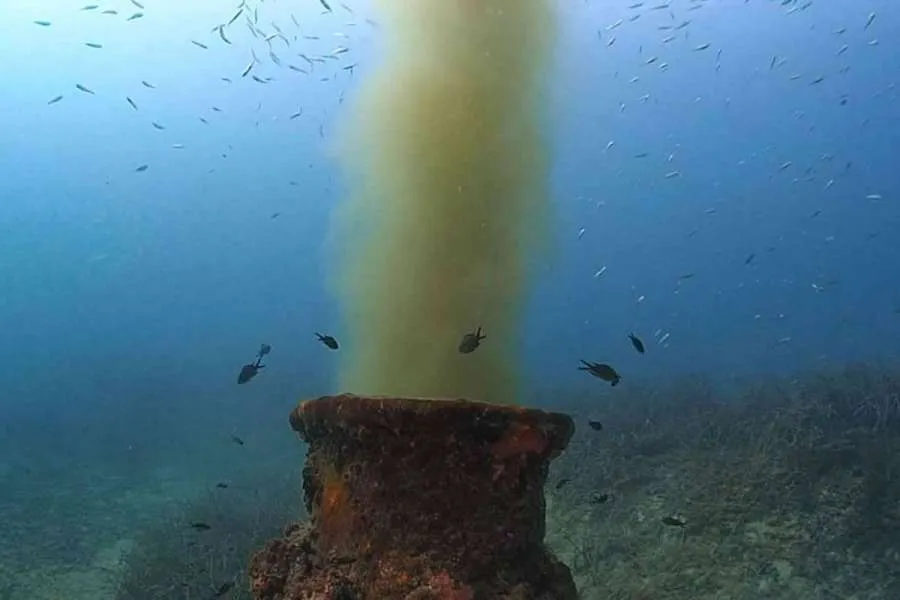
A leading marine scientist has warned that deteriorating water quality in the Canary Islands coastal areas is becoming a growing concern not only for marine life but also for public health, calling for urgent action from the region's Government and island authorities.
Ricardo Haroun, director of the ECOAQUA University Institute, said untreated wastewater discharges and increasing releases of brine from desalination plants are having "serious consequences" for the islands' marine ecosystems.
He warned that declining coastal water quality "not only affects biodiversity and the benefits provided by marine habitats, but can also have consequences for the health of bathers, both local residents and the millions of tourists who use the Canary Islands' beaches."
Haroun has urged the Canary Islands' authorities to make wastewater and brine management an immediate political priority and to develop more effective long-term environmental policies.
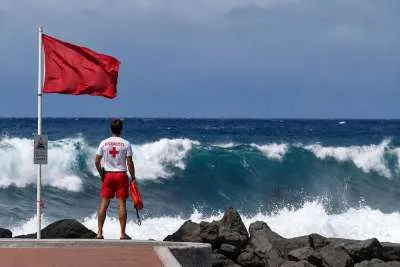
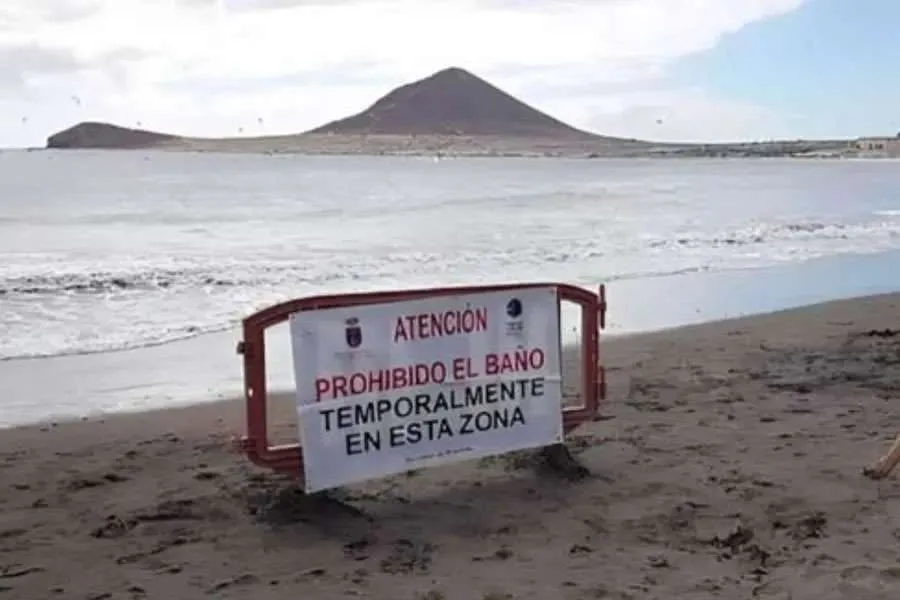
The warning comes amid growing public concern over coastal water quality in the Canary Islands, following several recent beach closures linked to bacterial contamination and increased scrutiny of wastewater management across the archipelago.
Growing concern over wastewater and desalination
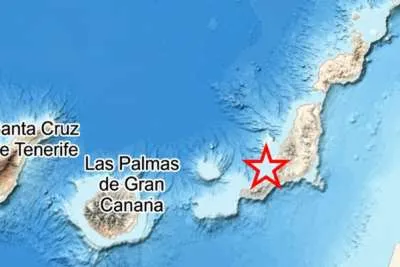
Haroun's comments followed the First Regional Meeting of the Scientific Councils of the Canary Islands' Biosphere Reserves, held in Puerto del Rosario, Fuerteventura.
He said innovative technologies already exist that could significantly reduce, or even eliminate, marine discharges while creating new "blue economy" jobs across the islands.
He also pointed to the availability of European funding and private investment that could help finance the modernisation of wastewater treatment systems and desalination infrastructure.
Scientists and environmental experts identified the loss of marine biodiversity as one of the region's most pressing environmental challenges, highlighting concerns over what they described as ineffective wastewater management and the increasing discharge of concentrated brine produced by coastal desalination plants.
While some discharges are authorised, Haroun said others are illegal, with both contributing to environmental damage if not properly managed.
Threat to seagrass meadows
One of the habitats most affected is the Canary Islands' seagrass meadows, known locally as sebadales.
According to Haroun, a significant proportion of these historic underwater meadows has disappeared over recent decades due to wastewater pollution and, more recently, increased brine discharges.
These seagrass beds play a vital role as breeding and nursery grounds for many marine species, including fish that support the islands' traditional fishing industry.
Share: