
New tourism law brings major boost for Canary Islands
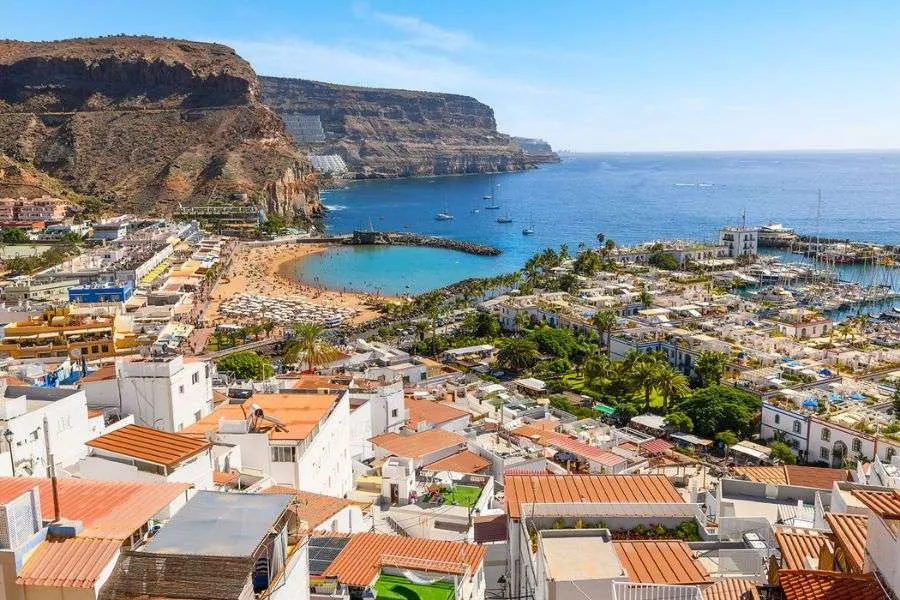
Tourist areas across the Canary Islands could benefit from better funding and improved public services after the Canary Islands Parliament approved a new law creating a dedicated legal framework for tourist municipalities.
The new legislation, welcomed by the Association of Tourist Municipalities of the Canary Islands (AMTC), recognises for the first time that towns and resorts welcoming large numbers of visitors face different challenges from other municipalities. The law aims to ensure they receive the support and resources needed to manage those demands more effectively.
The legislation was developed with the backing of the 14 councils that make up the association. It is designed to improve local services, strengthen public management, encourage sustainable tourism and help communities balance the needs of residents, visitors and tourism workers.
AMTC President and Mayor of Adeje, José Miguel Rodríguez Fraga, described the approval as a "historic day", saying the law was the result of cooperation between political parties, local councils and the association. He said it provides a legal framework to define the rights and responsibilities of tourist municipalities while helping secure funding that better reflects the true population they serve throughout the year.
Marco Aurelio Pérez, Mayor of San Bartolomé de Tirajana and a member of the AMTC, said the legislation would allow councils to organise services based on the actual number of people using them, rather than only the number of registered residents. He also said tourist municipalities would now have a stronger voice in decisions affecting their areas.
One of the biggest changes is the creation of two official classifications: Canary Islands Tourist Municipality of Excellence and Canary Islands Tourist Municipality of Singularity. The new system replaces the previous one-size-fits-all approach with categories that reflect the different characteristics of destinations across the islands.
To qualify as a Municipality of Excellence, councils will need to meet objective criteria linked to annual visitor numbers, accommodation capacity or the number of high-quality tourist establishments. Tourism must also account for more than 15% of the local economy. Municipalities applying for the Singularity category must have at least two unique tourist attractions and show that tourism represents more than 5% of local economic activity.
The law also introduces special rules for El Hierro, La Gomera and La Palma, recognising the different circumstances of the smaller islands. Entry requirements for both categories will be more flexible, taking into account their smaller populations, accommodation capacity and the importance tourism plays in their local economies.
Councils will also be able to strengthen their administrative structures to respond more efficiently to the pressures created by tourism. The legislation sets out additional services expected from tourist municipalities, including environmental monitoring, noise control, enhanced street cleaning, climate shelters during extreme weather, beach lifeguards and improved tourist information.
In addition, every recognised tourist municipality will be required to develop and implement its own local tourism plan.
For residents and visitors, the changes are intended to help improve day-to-day services in the Canary Islands' busiest destinations while ensuring councils receive funding that more accurately reflects the millions of people they support each year.
Share: