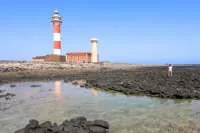

How the Canary Islands became one of Europe's top winter escapes
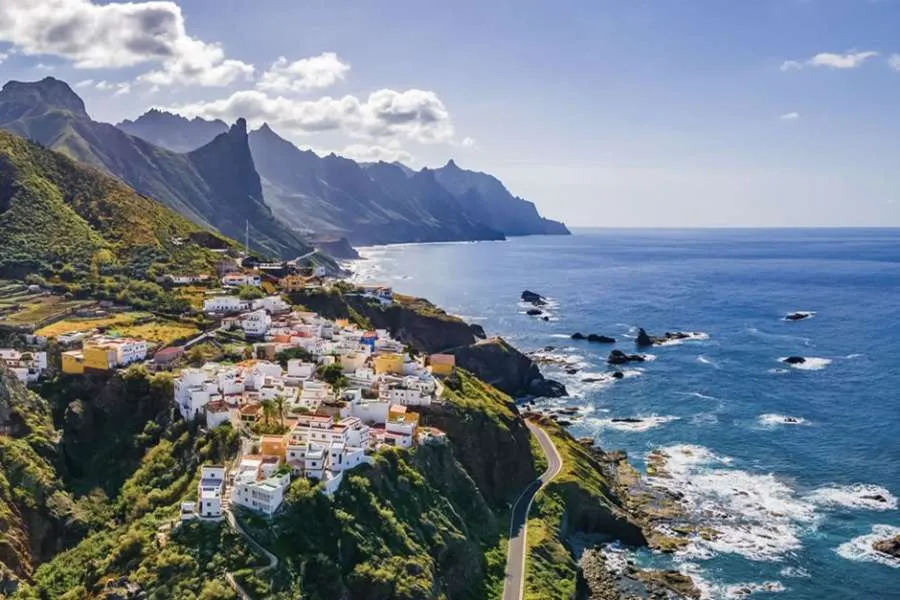
Ask any European where the sun hides in January, and you will hear the same answer: not Greece or the south of France, but the Canary Islands. This eight-island archipelago off the coast of Morocco has quietly turned winter into its main season, offering something almost unfair to the rest of the continent.
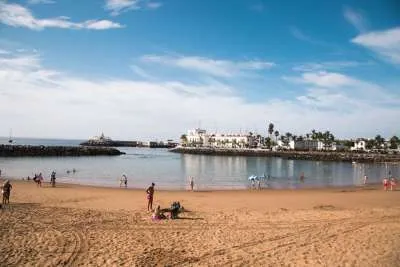
While Europe shivers under grey skies and single‑digit temperatures, the Canaries deliver spring‑like warmth, reliable sun, and no need for a heavy coat. The answer is a mix of geography, smart tourism, and one simple fact – winter in Europe does not have to feel like winter at all.
Why Not Mainland Spain or Greece?
Mainland Spain and Greece look tempting on a map, but their winters tell a completely different story once you look at the numbers. Madrid in December averages highs of only 11°C, with frosty nights and frequent overcast skies that can stretch for days without any real relief. Athens stays slightly warmer but still drops to 8–9°C at night, and rain becomes such a regular guest that outdoor plans often need a backup. The Mediterranean winter is not terrible by global standards, but it is not reliably warm either, which means you end up packing layers and checking forecasts constantly.
The Canary Islands solve all of that without even trying, because their winter daytime temperatures sit comfortably between 20°C and 24°C from December through February. Nighttime lows rarely fall below 15°C along the coast, so you can walk outside after sunset without reaching for a jacket or sweater. Rain is so rare on the eastern islands like Lanzarote and Fuerteventura that some towns measure their annual rainfall in millimetres rather than rainy days. You do not hope for good weather here, you simply expect it, and that certainty is what makes the difference for winter travellers.
For those who want a Hidden Jack Casino no deposit bonus code to make their evenings more interesting after sunset, the Canaries also offer something unexpected beyond the beaches. The islands have a quiet but active nightlife that goes far beyond the usual tourist bars found in the main resort areas. And just like the weather breaks all the rules of a typical European winter, some entertainment platforms break the rules of traditional nightlife, giving you a reason to stay up a little later without leaving your accommodation.
Why Latitude Alone Does Not Explain It
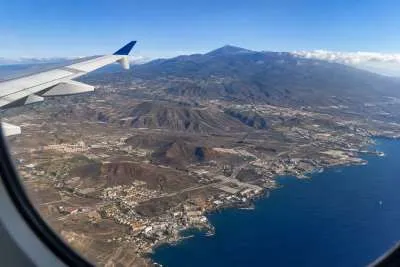
The Canary Islands sit at roughly the same latitude as Florida and parts of the Sahara Desert, and that is the first clue to their warm winter climate. But latitude alone is not the full story, because coastal Morocco at the same latitude sees colder nights and much wider temperature swings. What makes the Canaries special is a combination of three factors working together perfectly.
First, the surrounding Atlantic Ocean acts as a giant thermal battery that warms slowly in summer and releases that stored heat slowly in winter, keeping nights mild even after sunset. Second, the islands are small enough that every point on land feels the ocean's moderating influence, so there are no cold inland pockets to escape. Third, the trade winds and the persistent high‑pressure system block cold fronts from mainland Europe, creating a microclimate that barely changes from December to February.
What The Data Actually Shows
Let us compare January averages across popular winter destinations, because the difference becomes obvious when you see the numbers side by side.
| Destination | Avg High (°C) | Avg Low (°C) | Rainy Days (Jan) | Swimming possible? |
| Tenerife South | 22 | 15 | 3 | YES |
| Gran Canaria | 21 | 14 | 4 | YES |
| Lanzarote | 21 | 14 | 2 | YES (brave) |
| Malaga (mainland Spain) | 16 | 7 | 8 | NO |
| Athens | 13 | 8 | 7 | NO |
| Lisbon | 14 | 8 | 10 | NO |
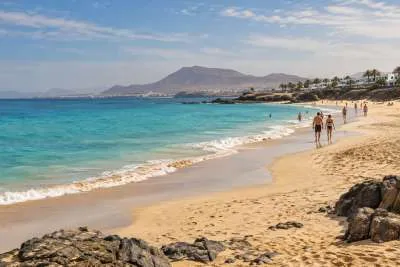
The table tells the story clearly, because rainy days in the Canaries are an exception rather than any kind of rule. Water temperatures around 19–20°C are enough for a short swim, which is something completely unthinkable on the mainland in January.
Where Europeans Actually Go (And Where They Don't)
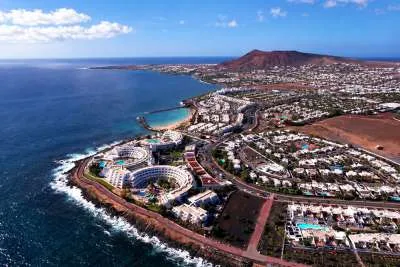
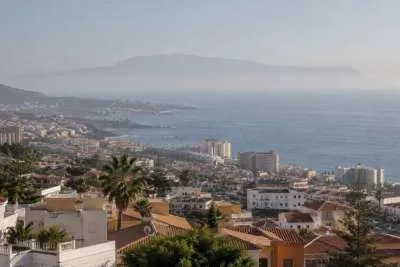
The distribution of tourists across the Canary Islands is surprisingly uneven, and most first‑timers head straight to the south of Tenerife or Gran Canaria. Those areas are highly developed, full of hotels, and very easy to navigate, but they are also the most crowded by a wide margin. Meanwhile, locals and repeat visitors quietly spread across the other islands, avoiding the main tourist zones entirely. Lanzarote attracts a quieter, more artistic crowd drawn to its volcanic landscapes, while La Gomera and El Hierro see almost no mass tourism at all. Fuerteventura pulls windsurfers and kitesurfers looking for strong winds, not package tourists looking for nightclubs.
The hidden pattern is simple: the eastern islands are drier, windier, and significantly less crowded than the central ones. The western islands like La Palma, La Gomera, and El Hierro are greener, steeper, and better for serious hiking. Tenerife and Gran Canaria sit right in the middle, busy but with empty pockets if you know exactly where to look. Winter crowds are real, but they only affect about thirty percent of the archipelago, while the other seventy percent remains as quiet as ever.
What To Do When the Beach Gets Old
Even the most dedicated sunbather will eventually want a break from the sand, and the Canary Islands excel at offering alternatives that have nothing to do with lying down. Here are four things that can turn a beach holiday into a proper adventure without requiring any special skills or equipment.
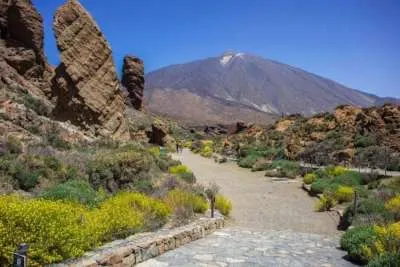
● Hike inside a volcano. Teide National Park in Tenerife lets you walk through lunar landscapes high above the clouds, and you do not need any special gear beyond sturdy shoes and a light jacket for the cooler summit.
● Stargaze under Europe's best sky. La Palma is a designated Starlight Reserve where the law restricts light pollution so strictly that you can see the Milky Way with your naked eye, and local guided tours cost less than a typical dinner out.
● Visit a botanical garden that feels Jurassic. Puerto de la Cruz in Tenerife has one of the most underrated gardens in Europe, featuring giant dragon trees, tropical ferns, and plants from five continents all blooming even in February.
● Surf or kitesurf without a thick wetsuit. Fuerteventura's winter water temperature is tolerable for a short session without full rubber, and even if you wear a thin suit, the strong sun will dry you in minutes.
None of these activities requires a rental car or a private guide, because buses and organised tours cover all four options cheaply and reliably. The point is that the Canaries are not a one‑trick destination, so you can spend a full week here without touching a beach and still leave completely satisfied.
One Mistake First‑Timers Make
The most common mistake is staying in one single resort for the entire trip, which is what most first‑time visitors end up doing. Tourists fly into Tenerife South, check into a hotel in Los Cristianos or Playa de las Américas, and never leave a five‑kilometre radius around their accommodation. They eat British breakfasts, drink at Irish pubs, and then complain that the Canaries feel like "England with better weather." That version of the islands exists, but it is a conscious choice rather than any kind of necessity.
The smarter move is to split your stay across different parts of the archipelago for variety. Spend three nights in the south for the classic winter sun experience, then move north for two nights to La Laguna or Puerto de la Cruz, where the culture, food, and architecture are worlds apart from the resort towns. If you have a full week, take a ferry to a neighbouring island for two days, because Lanzarote from Fuerteventura is only thirty minutes by fast ferry and La Gomera from Tenerife is just fifty minutes. The effort is minimal, but the payoff is absolutely massive.
Why Winter Is Actually the Best Season Here
Summer in the Canaries can be uncomfortably hot, especially on the eastern islands, where July and August push temperatures above 30°C and sometimes even 35°C. Winter flips the entire script because the sun is warm but never aggressive, so you can hike at midday without collapsing from heat exhaustion. You sleep with windows open, restaurants do not blast air conditioning, and instead, they open their terraces to let the evening breeze in.
Another hidden advantage is that winter is peak whale season in the Canary Islands, with resident pods of pilot whales and dolphins visible year‑round. Boat tours run daily, and you have roughly a ninety‑five percent chance of seeing whales within an hour of leaving the harbour. Finally, prices drop significantly after the Christmas and New Year rush passes, so from mid‑January to late February, flights and accommodation cost thirty to forty percent less than they do in December. That is the real sweet spot for anyone looking to visit the Canary Islands on a budget.
FAQ’s
Is it warm enough to sunbathe in the Canary Islands in January?
Yes, because daytime highs of 20–24°C are perfect for sunbathing, especially between 11 am and 4 pm when the sun is highest in the sky. Just bring strong sunscreen, because the Atlantic sun is more powerful than it feels on your skin.
Which Canary Island is the warmest in winter?
Lanzarote and Fuerteventura are technically the warmest because they are the driest and least cloudy of all the islands. But the real difference between islands is minimal, because all of them sit within two or three degrees of each other in winter.
Do I need a car to get around?
Not strictly, because buses connect the major towns on every island with reasonable frequency. But renting a car gives you the freedom to find empty beaches and quiet villages that public transport never reaches.
Share: