
How local businesses in the Canary Islands can reach more visitors online
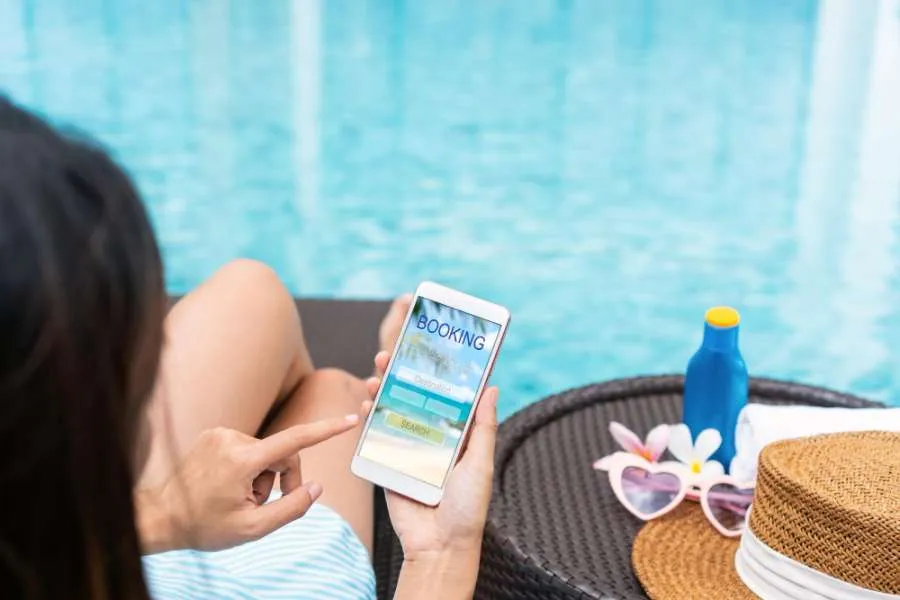
Local businesses in the Canary Islands can reach more visitors online by becoming part of the holiday planning process. Travellers now use Google Maps, review sites and social media before choosing where to eat, shop or spend their free time.
Tourists spent more than €23 billion in the Canary Islands during 2025, with an average daily spend of €178.16 per visitor. For independent businesses, the opportunity is already there. The challenge is getting noticed before that money is spent elsewhere.
A strong online presence does not require a large marketing department. A clear Google profile, an active social media page and a simple website can make a restaurant, shop or activity provider far easier to find.
Start With the Places Visitors Already Search
A visitor may first notice a business while planning the holiday at home. Others start searching after checking into their hotel. In both cases, the business needs to appear where people are already looking.
The Government of the Canary Islands has highlighted the growing role of Google Maps, reviews, social media and online booking in the tourism sector. These channels are closely connected. Someone might see a restaurant on Instagram, check its reviews on Google and then visit its website to book a table.
Instead of treating every platform as a separate job, local businesses can use each one for a specific purpose.
Keep Google Maps Accurate
Google Maps is especially valuable because it reaches people who may already be nearby and ready to spend money. A search for "restaurants near me" or "boat trips in Tenerife" can lead to a booking or visit within minutes.
The business profile should include:
- The correct address and map location
- Current opening hours
- A working phone number
- A website or booking link
- Recent photos
- The correct business category
These details may sound basic, but outdated opening hours or an incorrect map pin can cost a business real customers.
Reviews also influence quick decisions. Owners should reply politely and avoid copying the same response under every comment. A short, personal reply shows that the business is active and pays attention to its customers.
Use Instagram to Build Interest
Google often helps visitors make an immediate decision, while Instagram gives them a better feel for the business. A restaurant can show its food and atmosphere. A surf school can post clips from recent lessons. A shop can feature local products that visitors may not find elsewhere.
The account should make the basics easy to understand. Visitors need to know what the business offers, where it is located and how they can book or visit.
Follower numbers may also affect the first impression. A new page can look inactive even when the business itself has been operating for years. Some owners choose to buy Instagram followers to give the profile more visible social proof while they begin posting regularly.
This works best as support for a complete profile. Recent posts, clear contact details and useful information still matter more than the number at the top of the page.
Show Visitors What They Will Actually Experience
Local businesses often make the mistake of creating content that looks like traditional advertising. Travellers are usually more interested in seeing what a real visit will feel like.
A heavily edited photo can attract attention, but a simple video of a busy terrace, a local market or the view from a walking route can be more convincing. The aim is to help people imagine themselves there.
Answer Questions Through Content
Useful posts can remove doubts before they become reasons not to book.
A restaurant could show its menu, portion sizes and outdoor seating. An excursion provider could explain what visitors should bring and how long the activity lasts. A small hotel could post the walking route to the nearest beach or bus stop.
Location details should also appear naturally in captions. "Fresh seafood in Los Cristianos" tells visitors much more than a vague line about enjoying a perfect evening.
This kind of content can promote the business without feeling like a hard sell. It gives the visitor information while also creating excitement.
Encourage Visitors to Share
Tourists already post large amounts of content from the Canary Islands. They share food, hotel views, beaches, excursions, markets and souvenirs. Local businesses can benefit from this by giving customers something worth photographing.
That does not mean every café needs an expensive photo wall. Attractive presentation, a recognisable sign or a strong view can be enough. Staff can also ask happy customers to tag the business, as long as the request feels natural.
Customer photos and videos can later be shared on the company page with permission. This makes the account feel more active and shows potential visitors that real people are enjoying the experience.
Make It Easy to Book or Visit
Online attention has little value when the next step is confusing. Visitors should not have to search through several pages to find prices, directions or contact details.
A business website does not need to be large. It needs to work properly on a phone and answer the questions people are most likely to ask.
Keep the Website Simple
The homepage should quickly explain what the business does and where it is located. Important information should not be hidden under several menus.
Restaurants can publish a readable menu with prices. Activity providers can explain schedules, age limits, equipment and cancellation rules. Accommodation businesses can list what is included and how far the property is from important locations.
Clear English information can also help businesses reach more international travellers. Additional language options may be useful when the company regularly serves visitors from countries such as Germany, France or the Netherlands.
Remove Unnecessary Booking Steps
A visitor who is ready to book should not have to send several messages and wait hours for a reply. A direct booking form, reservation system or clear WhatsApp button can make the process much easier.
The same applies to physical visits. Directions should explain where the entrance is, whether parking is available and which landmarks are nearby.
Convenience can be a strong selling point. Travellers are more likely to choose a business when the booking process feels simple and reliable.
Grow Through Local Connections
Independent businesses do not always need to build an audience alone. Partnerships can help them reach visitors who are already interested in the area.
A hotel might recommend a nearby restaurant. The restaurant could promote a local taxi company, market or family activity. A boat tour could work with a bakery or photographer to create content that benefits both businesses.
These collaborations work when the recommendation feels genuine. Random link exchanges or unrelated partnerships usually add little value.
Smaller travel creators can also help local businesses reach a focused audience. A creator who regularly posts about Lanzarote, hiking or family holidays may bring more relevant attention than a larger account with no clear connection to the islands.
The best partnerships tell a wider story about the destination. They show visitors how several local experiences can fit into the same day or holiday.
Focus on Recognition, Not Constant Posting
A business does not need to publish every day or appear on every social platform. Trying to do too much often leads to rushed content and abandoned accounts.
A better approach is to choose a few useful channels and keep them updated. One or two strong social posts each week can be enough when they show real experiences and answer visitor questions.
The name, location, opening hours and contact details should also remain consistent across Google, Instagram and the website. Different information on different platforms creates doubt.
Over time, this steady presence helps people recognise the business. A visitor may see a post while planning the holiday, notice the name again on Google Maps and finally choose it after arriving on the island.
That is how online visibility becomes real-world traffic.
Local Businesses Already Have Something Worth Promoting
The Canary Islands attract millions of visitors because they offer far more than beaches and large resorts. Travellers also want local food, independent shops, personal service and experiences that feel connected to the destination.
Small businesses already provide those things. They do not need to invent a new reason for people to visit. They need to show what is already there and make the next step easy.
Clear information, useful content and regular updates can help an independent company become part of a visitor's plans before the plane has even landed.
Share: