
Postcards in Motion: Reimagining destination marketing through Seedance 2.0
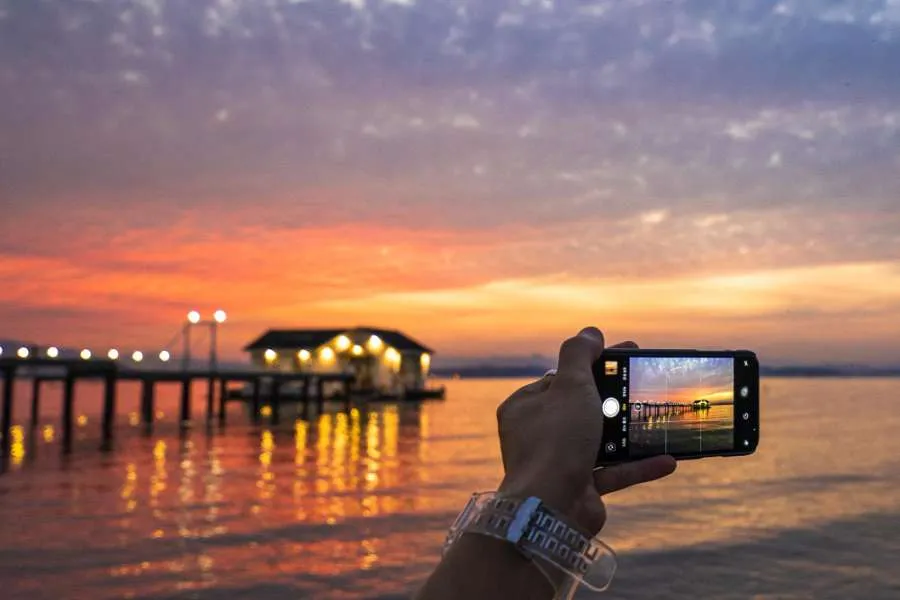
A postcard makes a confident promise: this place has one perfect view, one ideal season, and no inconvenient hour. Travel is never that tidy. The places you remember most clearly are made from smaller sensations - the sound of shutters opening above a narrow street, the changing colour of water under clouds, or the moment a nearly empty café becomes busy after rain.
Destination marketing becomes more persuasive when it preserves some of that lived texture. My interest in Seedance 2.0 is not about manufacturing flawless locations. It is about using text, images, video, and audio references to explore how a place feels across time.
A photograph can establish architecture, a movement clip can suggest how the camera travels through it, and a sound reference can restore the atmosphere that a still image leaves out.
Begin with a Point of View, not a Checklist
Many destination videos try to include everything: landmarks, food, hotels, landscapes, shopping. The result often looks comprehensive but feels anonymous. A short film becomes more memorable when it has a point of view. The city might be seen through early-morning deliveries, the coast through changing tides, or a mountain town through the windows that light up at dusk.
I would start by completing a sentence such as, “This place feels different when…” The answer creates a creative boundary. Perhaps a familiar district changes after the last tour group leaves. Perhaps every scene follows the path of local water, from mist to river to harbour. Perhaps the destination is introduced through sounds heard before their sources appear.
Seedance 2.0 can generate multi-shot audiovisual sequences up to 15 seconds. That is enough time for a compact observation, but not a complete visitor guide. Three related moments with one emotional direction usually say more than ten unrelated attractions.
Use References as Evidence of Place
Destination imagery carries a basic responsibility: it should remain connected to the destination. Generative tools can create an attractive street or landscape that looks plausible while quietly changing architectural details, geography, weather, or cultural context. Strong source material helps keep visual development anchored.
The multimodal workflow in Seedance 2.0 allows several kinds of evidence to work together. Current location photographs can establish buildings, vegetation, colours, and spatial relationships. Licensed video can communicate the movement of traffic, crowds, water, or local activities. Field recordings can provide environmental sound. Text then explains which aspects must remain accurate and which may be interpreted stylistically.
Let Time Transform the Image
A destination is not a fixed composition. Light moves across a square, weather changes the use of a beach, and a market has a different rhythm before opening and near closing. Motion offers a chance to represent these transitions instead of merely making a still photograph drift toward the viewer.
Seedance 2.0 supports controlled action, lighting, and camera movement. A scene might begin with fog covering a valley and end as rooftops emerge. A reflection can lead from an afternoon street into its evening version. A locked camera can observe a quiet terrace becoming animated as tables are prepared.
Move Like a Visitor, not a Drone Reel
Aerial views are useful for scale, but destination films become distant when every location is seen from above. Human experience happens closer to the ground: turning into a lane, stepping onto a platform, looking upward inside a station, or following a path until the view opens.
Seedance 2.0 can interpret camera language from prompts and video references. I would use that control to give the camera a physical point of view. A slow walking shot communicates curiosity. A steady lateral move from a train window suggests passage. A pause at a doorway lets the audience discover what lies beyond it.
Sound Makes Geography Feel Immediate
Travel memories are full of sounds that rarely appear in brochures. Ferry engines echo across water. Wheels change tone when pavement becomes stone. Market vendors, birds, bells, rain, overlap in ways specific to a location and time.
Joint audio-video generation gives Seedance 2.0 a useful role in exploring these relationships. Ambient sound, effects, and speech can be timed with visible events instead of attached after the visual concept is finished. A train may arrive before it enters the frame, which may tell us that the camera has moved from a street into a courtyard.
People Should Belong to the Scene
Destination campaigns need people to communicate scale and lived experience, but generic smiling visitors can make every place look the same. Human presence becomes more convincing when it has a clear relationship to the environment: someone waiting for bread to come out of an oven, tying a boat, folding chairs after an event, or pausing to read a station board.
Seedance 2.0 is designed to handle complex movement and interactions with improved physical stability. This can support scenes where people walk through active environments, handle objects, or respond to one another. I would still keep the action concise and observable, especially when hands, tools, food, or vehicles are involved.
Build a Journey in Fifteen Seconds
A short destination video can still have a beginning, transition, and arrival. It might open inside a dark room as shutters move, follow light across a street, and end at the water. Another sequence could begin with an empty platform, travel alongside a train, and reveal a landscape when the doors open.
These structures work because one element connects the shots. It may be a traveller’s movement, a repeated colour, a sound, or the direction of light. Seedance 2.0 can combine multiple shots and synchronised audio, but continuity needs to be planned. Geography, weather, time of day, and direction of travel should not change accidentally.
Create for Different Screens Without Losing the Place
Destination content may appear on a horizontal website, a vertical social feed, an airport display, or a screen inside a visitor centre. A central visual relationship should survive these formats. Important landmarks, people, and actions should not depend entirely on the far edges of a wide composition.
I would design a master sequence with breathing room around the main subject, then plan deliberate crops rather than relying on automatic reframing. Vertical versions can emphasise approach and height. Wide versions can preserve landscape and spatial context. The same footage need not tell exactly the same story in every format.
Move Beyond the Perfect View
The postcard remains powerful because it concentrates a place into one image. Moving media can do something different: it can show anticipation, passage, and change. It can let weather arrive, a door open, and a distant sound find its source.
Seedance 2.0 offers destination storytellers a way to combine visual references, motion, camera direction, and sound into compact experiments. The useful question is not how many beautiful scenes it can produce. It is whether those scenes preserve a distinct and honest sense of place.
I am most persuaded by travel imagery that leaves space for my own curiosity. It does not claim to show the whole destination. It gives me one specific moment that feels observed—and makes me wonder what might happen just beyond the frame.
Share: