
78 petrol stations in the Canary Islands investigated over irregular fuel price increases
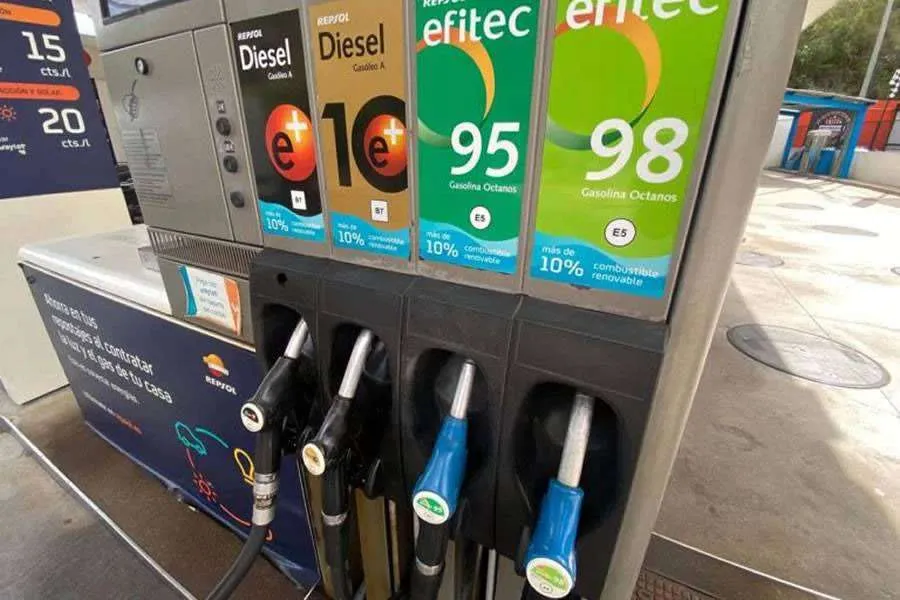
The Canary Islands Government has launched an investigation into 78 petrol stations across the archipelago following concerns over fuel price increases that appeared to occur simultaneously among several operators after tensions escalated in Iran.
The regional government's move comes amid growing concerns that fuel prices rose unusually quickly following developments in the Middle East, prompting questions about whether the increases were justified by market conditions or if they were taking advantage of the escalating war.
Speaking on Tuesday, Canary Islands Economy Minister, Manuel Domínguez, said the inspections represent the next stage of an ongoing investigation into fuel pricing practices across the islands.
The inspections will involve formal requests for documentation from the selected service stations to determine how fuel prices were calculated and whether consumer rights were abused.
Authorities will examine pricing structures between 1st January and 25th May, with particular attention focused on 28th February, the date identified by officials as a key turning point following the first attack on Iran and the subsequent disruption to shipping routes through the Strait of Hormuz.
According to David Mille, Director General of Consumer Affairs, the objective is to establish whether the price increases were genuinely linked to international market conditions or whether there were other factors involved.
"The goal is clear," Domínguez said. "We want to know whether competition rules have been respected and whether the price increases were justified by market circumstances."
The investigation follows an extensive analysis of fuel prices across 499 petrol stations throughout the Canary Islands. From that wider review, 78 stations were selected for closer scrutiny after officials identified what they described as several market "irregularities" or "dysfunctions".
One of the main concerns highlighted by investigators is the so-called "rocket and feather" effect, a phenomenon often seen during periods of economic uncertainty. Under this pattern, fuel prices rise rapidly - sometimes within just 48 to 72 hours - when wholesale costs increase, but fall much more slowly when market pressures ease.
According to the Canary Islands Government, the reports suggest that while price increases were implemented quickly, reductions took significantly longer to reach consumers, sometimes taking between ten and thirteen days to be reflected at the pump.
If inspectors uncover evidence of anti-competitive behaviour or breaches of consumer protection regulations, the case could be referred to Spain's competition authorities. Such a move could ultimately result in sanctions being imposed on companies found to have acted improperly.
Share: