
The heatwave is bringing more mosquitoes to the Canary Islands
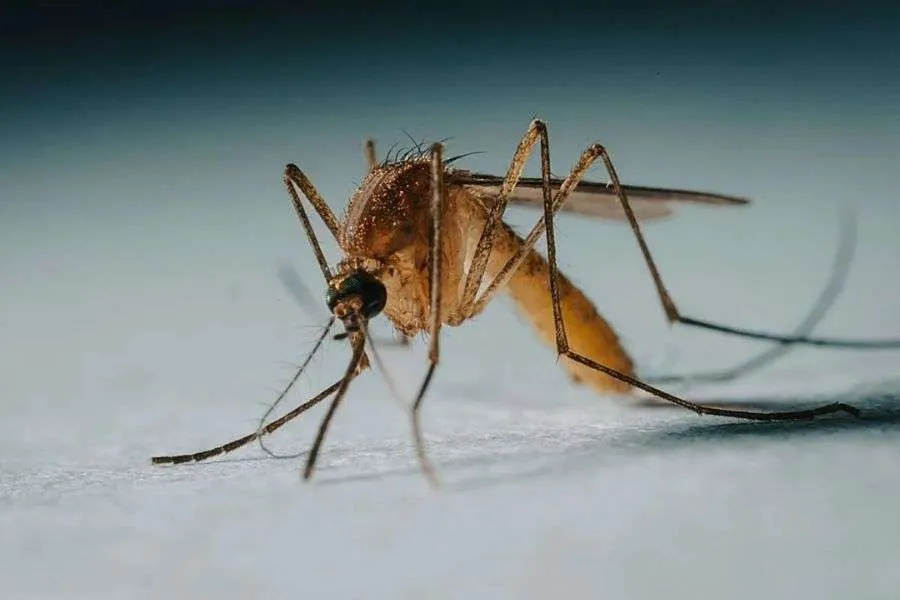
Rising temperatures are creating more favourable conditions for mosquitoes in the Canary Islands, extending the period in which they remain active and increasing the likelihood of bites.
Only female mosquitoes bite, as they need protein from blood to produce and develop their eggs. They find people by detecting carbon dioxide, body heat and substances released through the skin.
Research suggests that some people naturally attract more mosquitoes because of their body chemistry and skin bacteria. Blood group may also play a part, with some studies indicating that people with type O blood are bitten more frequently than those with types A or B.
The amount of carbon dioxide a person breathes out can make a difference. People who emit more of it may be easier for mosquitoes to locate, particularly after exercise.
Scented deodorants, perfumes and body creams may also attract certain species, although their response depends on the ingredients used. Clothing colour could be another factor, with darker shades such as black and red generally attracting more attention than green or yellow.
Hot weather speeds up the mosquito life cycle, while standing water left by irrigation, plant pots or other containers provides breeding sites. Climate change may therefore lengthen the mosquito season and allow some species to remain active for longer.
Mosquitoes can transmit serious illnesses, including dengue and Zika, although most bites in the Canary Islands cause only temporary itching and irritation. Residents and visitors can reduce the risk by using insect repellent, wearing loose-fitting clothing and removing standing water from around homes and accommodation.
Share: