

How casino culture shifted from nightlife to mobile play
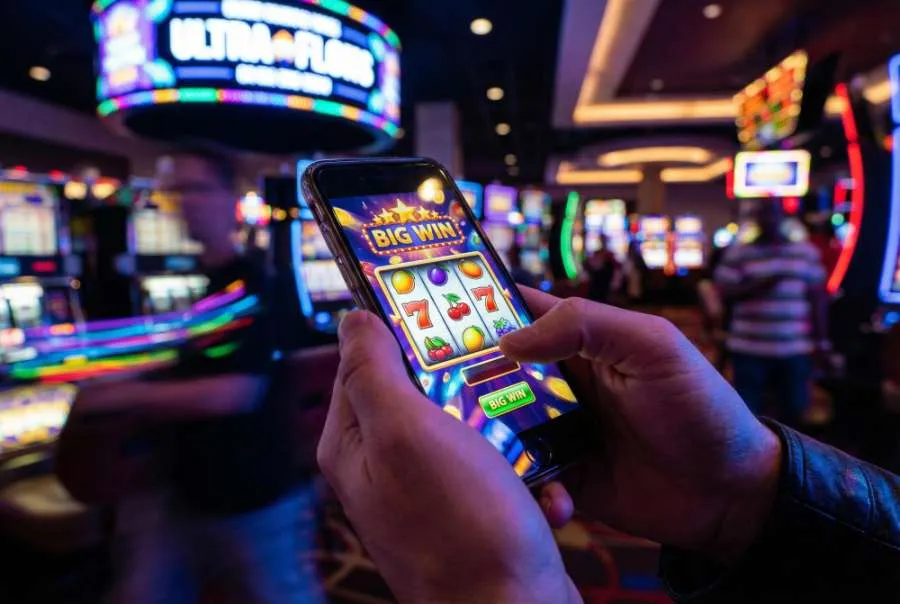
For decades, casino culture was synonymous with the destination night out. It meant dressed-up evenings in glamorous physical venues, strict dress codes, and the electric social atmosphere of crowded casino floors. Whether navigating legacy properties that demanded elite exclusivity or travelling for a dedicated weekend, the experience was a true event you had to physically attend.
Today, mobile technology has dramatically reshaped this landscape. The shift from stationary experiences to portable access has stripped away many of the formal logistics, turning casino-style entertainment into something more flexible and spontaneous. Now accessible directly from a phone screen, the experience has become a casual part of digital nightlife for many players.
Casino Nights Were Once Built Around Glamour and Atmosphere
Traditional casino nights were meticulously designed around the high energy of physical destination venues. Casinos relied heavily on atmosphere, spectacle, and social performance, where guests were not only playing games but also taking part in the wider ritual of a night out. Historically, many high-end casino spaces were tied to formal dress, luxury service, and a carefully managed sense of exclusivity.
In elite venues, presentation mattered almost as much as participation, with dress expectations and social etiquette helping shape the atmosphere. Playing at these locations wasn't simply an activity; it was a carefully planned event centred entirely around travel, dining, and navigating an exclusive social landscape.
The Move from Destination Entertainment to Digital Access
The move toward digital casino access began in the mid-1990s, when early licensing frameworks helped make online gambling commercially possible. From there, the evolution moved rapidly from late-90s browser-based environments to today's fully mobile experiences. Backed by secure financial processing mechanisms and distinct regulatory oversight, players no longer need to plan travel to access these hubs.
This transition completely altered consumer expectations. Wait times were reduced, and proximity became far less important as a barrier to entry. Digital platforms could now offer faster access, broader choice, and greater convenience without requiring users to visit a physical venue.
Why Mobile Play Became the Turning Point
The true catalyst for this cultural shift was widespread smartphone adoption, which completely decoupled gaming from any fixed, stationary location. By making the experience portable, mobile casino gaming effectively transitioned the industry from a planned event into a highly spontaneous activity. In Great Britain, 2020 Gambling Commission data showed that 50% of online gamblers used a mobile phone to gamble, rising to 75% among those aged 18 to 34.
This growth was supported by frictionless design and faster financial infrastructure. Mobile wallets, faster payment flows, and biometric verification also reduced friction, making deposits and account access feel quicker than older desktop-first journeys. Behavioural design models also suggest that people are more likely to complete an action when it feels easy and requires fewer steps. Mobile-first websites and seamless game aesthetics created an ecosystem where playing became effortless. Consequently, access shifted from an organised social outing into a private experience optimised for immediate entertainment anywhere.
Why Mobile Play Made Casino Entertainment More Casual
The portability of smartphones fundamentally altered the nature of player commitment. Instead of treating casino entertainment as a full night out involving extensive travel, drinks, strict dress codes, and a much larger budget, casual players can now simply engage in shorter, more frequent mobile sessions. This massive shift from event-based leisure to low-friction access completely changes how audiences approach digital spending.
For many casual players, the appeal of mobile casino entertainment is that it can feel lower commitment than a traditional casino night. Rather than planning an entire evening around one venue, users can compare platforms, set personal limits, and choose options that match a smaller entertainment budget.
This is where a comparison page for low deposit online casinos can fit naturally into the decision-making process, especially when they clearly show minimum deposits, payment methods, licensing details, bonus terms, and responsible gambling tools. Smaller entry points can make it easier for users to evaluate different interfaces without treating one platform as a major, dedicated bankroll commitment.
Live Dealer Games Helped Bring Back the Social Feel
While the initial transition to digital platforms optimised convenience, it understandably lacked the social density of a crowded physical floor. Today, live dealer games help bridge part of the gap between old destination culture and modern online play. By seamlessly integrating real-time streaming, interactive chat rooms, and public leaderboards, operators have transformed the solitary act of digital gaming back into a community-driven experience.
Behind the scenes, live casino providers use dedicated studios and production-style environments to host dealer-led games and game-show formats that feel more human than purely automated play. Because live play provides a human presence, it can bring some of the energy and social cues of physical venues back into the digital experience.
Casino Style Has Also Moved Online
The stylistic signature of legacy casino culture has also moved into digital environments. Today’s platforms often use curated visual design, luxury-inspired branding, and nightlife-style themes to echo the atmosphere of traditional venues. Rather than relying on sterile tech grids, many platforms use personalisation, game recommendations, and responsive design to create mobile lobbies that feel more curated.
Responsive design also allows operators to build mobile lobbies that feel visually polished while remaining easy to navigate. While virtual and immersive casino formats continue to develop, most mobile-first experiences still depend on fast loading, simple navigation, and clear design. These spaces consistently prioritise smooth journeys while successfully retaining the glamorous allure once strictly confined to formal venues.
What This Shift Says About Modern Entertainment Habits
This evolution perfectly aligns with broader shifts in how connected consumers divide their limited time. Recent media-consumption research suggests that entertainment companies are competing for a largely fixed daily attention budget, with consumers splitting their time across streaming, social video, gaming, and other digital platforms. As attention fractures heavily across streaming giants, vast social video platforms, and gaming ecosystems, digital casino culture has expertly adapted to match these modern consumption rhythms.
Just as social apps use sophisticated algorithms to curate relevant media, gaming platforms utilise identical strategies to naturally meet users where they already reside. Consumers universally demand flexible entertainment that moulds seamlessly around their personal routines, readily turning to on-demand activities instead of localised commitments.
Playing Responsibly Still Matters
Because fast, frictionless gaming is directly accessible via mobile devices, playing responsibly remains a critical component of digital entertainment. With modern platforms technically engineered to promote continuous behavioural absorption, users must be increasingly mindful regarding personal limits, time spent, and proper budget allocation.
Because rules, licensing standards, and available protections vary by country or region, users should check whether a platform is legally available and regulated where they live. A disciplined approach can also help keep mobile casino gaming within safer entertainment limits:
- Set a clear budget before interacting with any platform.
- Use licensed, regulated services, and check the footer for licence details, responsible gambling information, and links to the relevant regulator.
- Avoid chasing losses or relying on betting systems that claim to guarantee results.
- Take frequent breaks to prevent extended habitual loops.
- Treat mobile casino gaming exclusively as flexible entertainment, never as a source of income.
Final Thoughts
Casino culture has not disappeared from modern nightlife; it has expanded into mobile-first entertainment. What once depended on glamorous venues, travel, and elaborate planning can now happen through a phone screen in shorter, more casual sessions. That convenience is the defining change, but it also makes responsible limits, regulated platforms, and measured choices more important than ever.
Share: