
Santa Cruz Low Emission Zone confirmed: Which cars can enter, restricted hours and €200 fines
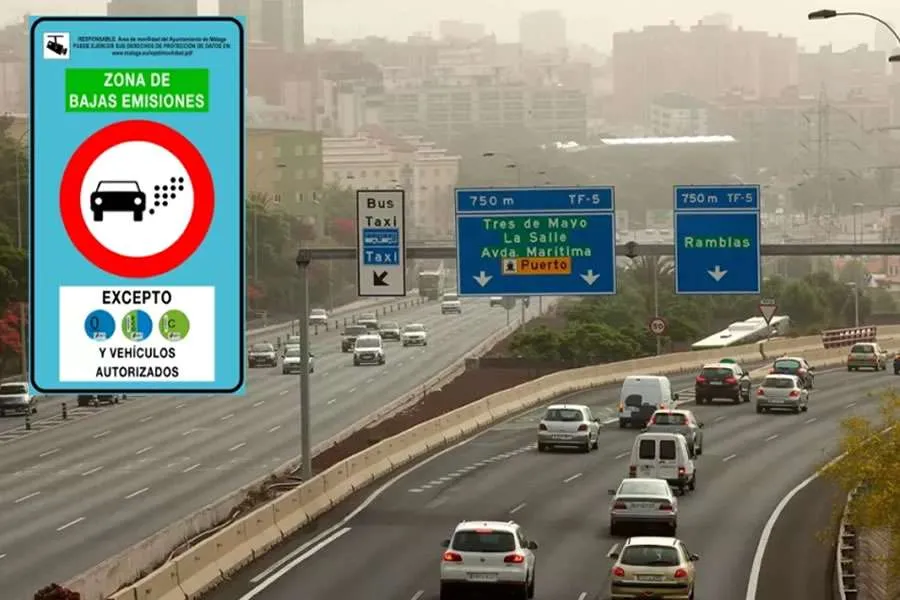
The rules governing the new Low Emission Zone (Zona de Bajas Emisiones or ZBE) in Santa Cruz de Tenerife have now been officially approved, setting out which vehicles will be allowed into the city centre, when restrictions will apply, and the exemptions available to residents, workers, businesses and visitors.
The final ordinance was published in the Provincial Official Gazette (BOP) on 24th August 2026, but motorists should be aware that the restrictions and €200 fines will not start straight away.
Instead, Santa Cruz Council has established a lengthy transition period. The operating system will begin 18 months after the ordinance comes into force, while fines will not be imposed until 36 months after it comes into force.
During the period between restrictions starting and enforcement beginning, drivers who breach the rules may receive notifications, but these will initially be for information rather than fines.
Where will the Low Emission Zone be?
The ZBE will cover a substantial part of central Santa Cruz, including all or sections of 92 streets, squares, avenues and pedestrian areas.
Among the locations included are Avenida Barranco de Santos, Francisco La Roche, Avenida Marítima, Méndez Núñez, La Marina, El Pilar, Castillo, Imeldo Serís, La Rosa, San Francisco, San Vicente Ferrer, Valentín Sanz, Villalba Hervás, Plaza Weyler and Plaza de Europa.
Numerous streets in El Toscal and other parts of the city centre are also included.
The Council will be required to keep an updated map of the ZBE available online.
Which cars can enter without restrictions?
For most motorists with relatively modern vehicles, there is good news.
Vehicles carrying any of Spain's four recognised DGT environmental classifications will have unrestricted access without needing to register beforehand.
These are: 0 Emissions – ECO – C – B
This means the restrictions will primarily affect older vehicles without a DGT environmental classification.
For normal cars and light vans, this generally means petrol vehicles registered before 2001 and diesel vehicles registered before 2006.
However, even many of these older vehicles will still be able to enter if their owners qualify for one of the numerous exemptions included in the regulations.
Mopeds, bicycles, other cycles and personal mobility vehicles will also have unrestricted access.
What if you live inside the ZBE?
Residents living within the Low Emission Zone will be exempt under certain conditions.
Their vehicles can be registered with the Municipal Vehicle Register, provided the owner meets the relevant residency and vehicle requirements.
The rules also cover vehicles residents use through arrangements such as leasing, renting, company benefits or temporary replacement vehicles, provided the details have been correctly communicated to the Council.
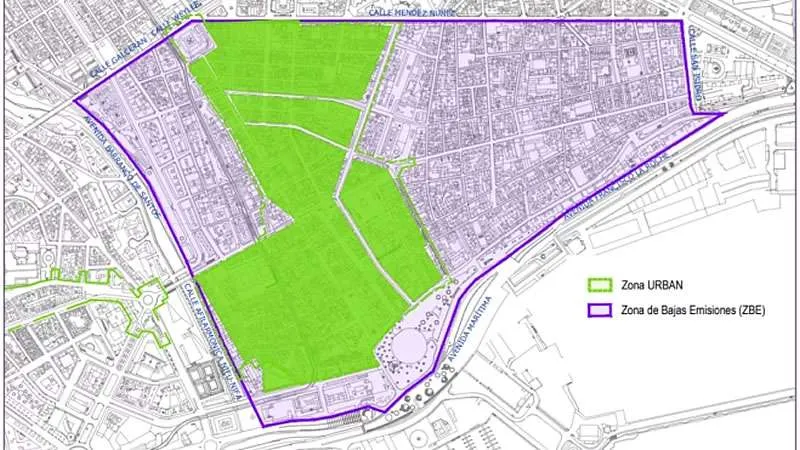
Map of the Low Emission Zone (Image: Santa Cruz De Tenerife Council).
What if you own a garage in the city centre?
People who own or rent a private parking space inside the ZBE will also be able to apply for an exemption.
Authorisation can cover up to three vehicles for each parking space, although they cannot use the authorisation simultaneously.
The registered number plate can also be changed when necessary if a different vehicle needs to access the garage.
People with subscriptions to public car parks within the ZBE can also qualify.
Can I drive into the ZBE to use a public car park?
Potentially, yes.
Vehicles affected by the restrictions can be authorised to enter when they are going directly to participating off-street public car parks connected to the ZBE management system.
Therefore, owning an older car without an environmental sticker will not necessarily prevent you from driving into central Santa Cruz to park.
However, the car park being used will need to be integrated into the system.
Taking children to school
Parents and guardians will also be able to obtain permission to enter the ZBE to drop off or collect children attending nursery, primary or secondary schools within the restricted area.
Applicants will need to provide evidence that the child attends a school inside the zone.
Medical appointments and vets
There are exemptions for people who need to drive into the ZBE for medical consultations or treatment where their mobility requirements make access necessary.
Similar provisions apply to people attending veterinary centres.
Vehicles belonging to customers using car repair workshops within the ZBE can also be authorised.
There are further exemptions covering vehicles delivering medicines to healthcare facilities and pharmacies, as well as those collecting pharmaceutical waste.
Caring for elderly or dependent residents
People who do not live inside the ZBE but regularly travel there to care for an elderly or dependent person will be able to apply for special permission.
Up to two number plates can be registered for each person receiving care, although both cannot use the authorisation simultaneously.
The permit can initially be issued for up to one year and extended for another year.
Applicants will have to provide evidence of the person's residency and dependency or care requirements.
What if you can't afford to replace your old car?
The regulations also include an exemption based on financial circumstances.
Owners of restricted vehicles may receive a temporary two-year authorisation, extendable for another year, if their individual or household income does not exceed twice Spain's IPREM public income indicator.
They must also demonstrate that they do not have another vehicle carrying a 0, ECO, C or B environmental classification.
Applicants may have to provide their income tax return, proof of their home or workplace and evidence showing why they need regular access to the ZBE.
Large families
Registered large families, or familias numerosas, will also be able to apply for access when they live inside the zone or regularly need to enter for family, educational or employment reasons.
Up to two vehicles per family can be authorised, although they cannot use the exemption simultaneously.
What about businesses and the self-employed?
Businesses, professionals and autónomos have also been included in the exemption system.
Companies and self-employed workers whose commercial or professional activity takes place from premises inside the ZBE can apply for vehicle access.
The Council is expected to establish a simplified registration system for businesses and professionals who regularly need access, including arrangements for registering vehicle fleets.
Commercial vehicles carrying out urban deliveries will also qualify under certain circumstances, although they will have to comply with the relevant delivery schedules.
Hotels and tourists are included
Importantly for visitors to Tenerife, the regulations contain several exemptions connected to tourism.
Vehicles belonging to guests staying at hotels located inside the ZBE can be authorised when access is required.
There are also provisions covering tourist transfers, private-hire VTC vehicles serving accommodation establishments, tourist transport, suppliers, maintenance companies, conference and event operators, laundry services, catering and other logistics businesses.
Drivers who need to enter the zone to attend an ITV vehicle inspection centre will also be able to obtain permission.
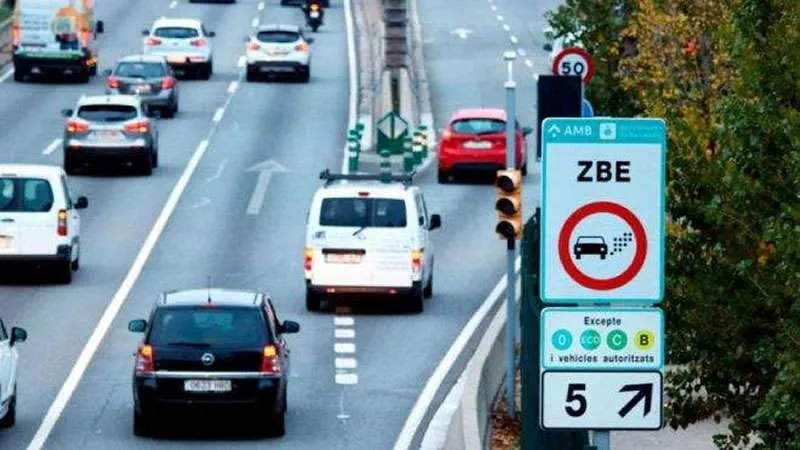
Example of a traffic sign indicating a low-emission zone in Barcelona (Image: EFE)
What times will the restrictions apply?
One of the most important details for drivers is that the ZBE restrictions will not operate 24 hours a day.
The general restricted hours will be: Monday to Saturday: 7:00am to 8:00pm
Outside these hours, any vehicle will be able to enter and drive within the Low Emission Zone, regardless of its environmental classification.
This means an older vehicle without a DGT environmental sticker that does not qualify for an exemption could still enter central Santa Cruz outside the restricted hours.
Cameras will monitor vehicles
The ZBE will use camera systems and automatic number-plate monitoring to control access.
Images can ultimately be used as evidence when enforcement begins, after being verified by authorised personnel.
The Council must clearly indicate the location of fixed monitoring systems through road signs and publish relevant information online.
Details of the zone's boundaries, access points, restrictions and exemptions must also be kept publicly available and updated.
How do you apply for an exemption?
Vehicles requiring an exemption will generally have to be registered with the Santa Cruz ZBE Municipal Vehicle Register.
Applications will be available through the Council's website and the process will be free of charge, with online applications encouraged.
The Council has set a target of 10 working days to process applications.
Authorisations will be personal, non-transferable and linked to the vehicle's number plate.
The regulations even cover unexpected circumstances where someone needs to enter the ZBE without having obtained permission beforehand.
In these cases, motorists will have up to five working days after entering to apply retrospectively and provide evidence explaining why access was necessary.
If the exemption is subsequently approved, any enforcement proceedings relating to that journey should be cancelled.
€200 fines for breaking the rules
Once full enforcement begins, illegally entering, driving or parking within the ZBE will be classed as a serious traffic offence. The standard fine will be €200.
This can be increased by up to 30% for repeat offenders. Paying voluntarily within the legally established period will qualify motorists for a 50% reduction, bringing the standard €200 penalty down to €100.
However, motorists should not expect these fines immediately.
The ordinance itself comes into force 15 working days after its publication in the BOP. The practical operating system, including restrictions, registrations and authorisations, follows 18 months later, while the sanctioning regime starts 36 months after the ordinance comes into force.
The key message for drivers is therefore that Santa Cruz's Low Emission Zone does not amount to a blanket ban on older cars.
Modern vehicles with 0, ECO, C or B classifications can enter freely, while numerous exemptions are available for residents, workers, businesses, hotel guests, families, patients and other users.
And outside the restricted period of 7:00am to 8:00pm from Monday to Saturday, all vehicles will be allowed to enter regardless of their environmental classification.
Share: