
IGN warn that earthquakes will be felt in Tenerife, but no sign of Teide eruption
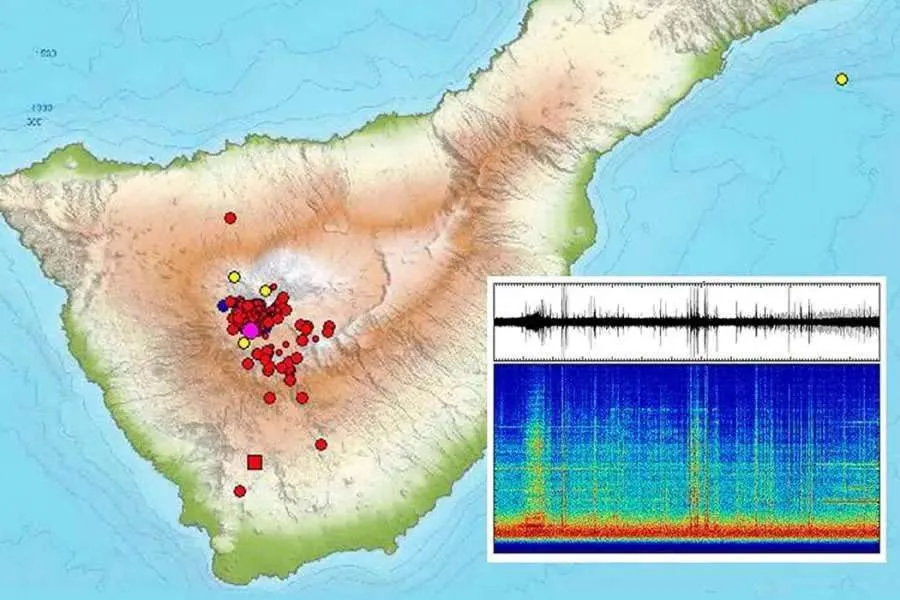
Scientists monitoring volcanic activity in Tenerife have reassured residents and visitors that there are no signs of an eruption of Mount Teide in the coming weeks or months, despite an increase in underground seismic activity detected since February, however, there will be more seismic activity and earthquakes felt by the public.
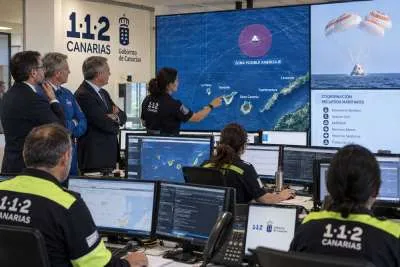
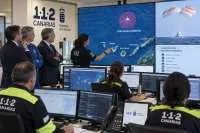
The announcement and explanation follows a meeting of the scientific committee of the Canary Islands Volcanic Risk Emergency Plan (PEVOLCA), which reviewed the latest data from beneath the island.
The committee confirmed that Tenerife's volcanic alert level remains unchanged, with no reason to raise it from its current status, and will continue to review the situation every three months.
Some earthquakes may be felt by the public
According to Itahiza Domínguez, head of the National Geographic Institute (IGN) in the Canary Islands and spokesperson for the committee, the current increase in volcanic-seismic activity could result in some earthquakes being felt by people on the island.
Any such tremors would most likely occur around Las Cañadas del Teide and are expected to be low to medium in magnitude, with no potential to cause damage.
"We cannot rule out that they may occur," Domínguez said, while stressing that scientists are not predicting that earthquakes will happen, only acknowledging that they are a possibility.
Over recent months, the IGN has recorded several episodes of low-frequency and hybrid seismic activity beneath western Las Cañadas and southwest of Pico Viejo. None of these events have been felt by the public.
No evidence of an imminent eruption
Scientists say the monitoring data does not show the warning signs that would normally indicate magma is moving towards the surface.
Gas emissions have decreased, while ground deformation has remained at around two centimetres over the past three years.
Satellite observations and geodetic monitoring also show no significant changes linked to increasing volcanic activity. The slight deformation detected in central Tenerife has remained largely unchanged since 2023.
Domínguez explained that a more concerning scenario would involve a combination of stronger, shallower earthquakes together with rapid ground deformation.
"None of that is being observed at the moment," he said.
What could trigger further action?
The committee said an extraordinary meeting would only be called if there were a sustained series of earthquakes that were widely felt by the public or if several monitoring indicators changed simultaneously.
Scientists emphasised that earthquakes alone do not automatically mean an eruption is imminent.
Instead, volcanologists assess a range of factors together, including the number, depth and strength of earthquakes, ground deformation, gas emissions and changes in underground temperatures.
Increased activity has been recorded since February
The current phase of increased volcanic activity began in February 2026, when hybrid seismic swarms were detected southwest of Pico Viejo.
Further low-level seismic pulses were recorded during March, April, May and June, before activity increased again during June and particularly in July.
Despite the rise in seismic activity, scientists say there has been no corresponding increase in the risk of an eruption.
Domínguez noted that modern instrumental monitoring of Tenerife only covers around 20 years, a relatively short period when compared with the island's volcanic history, making it difficult to identify long-term patterns with certainty.
Trust official information
PEVOLCA has urged residents and visitors to rely only on information published by the Government of the Canary Islands and the official scientific organisations responsible for volcanic monitoring.
The IGN currently operates more than 100 monitoring stations, sensors and sampling points across Tenerife, providing continuous real-time data on seismic activity, ground deformation and volcanic gases.
While the current activity remains higher than normal, scientists insist it is not considered dangerous at this stage and that monitoring will continue around the clock, with updates issued if the situation changes.
Share: